How well do you know your own brand? If I asked you to define your brand in a sentence, could you do it? If you don’t have a clear picture in mind, you can be sure your customers don’t either.
A brand is more than a company name or a logo. It’s your reputation, your marketing strategy, and more. Put simply, a brand is a communication tool, and investing the time into establishing a clear brand pays off. Without the visibility and credibility that a strong brand delivers, your product is indistinguishable from the next one – it might as well be invisible. A brand is what helps you stand out from the crowd. This applies just as much for finding customers as it does for attracting talent: a well-built brand will do the talking for you.
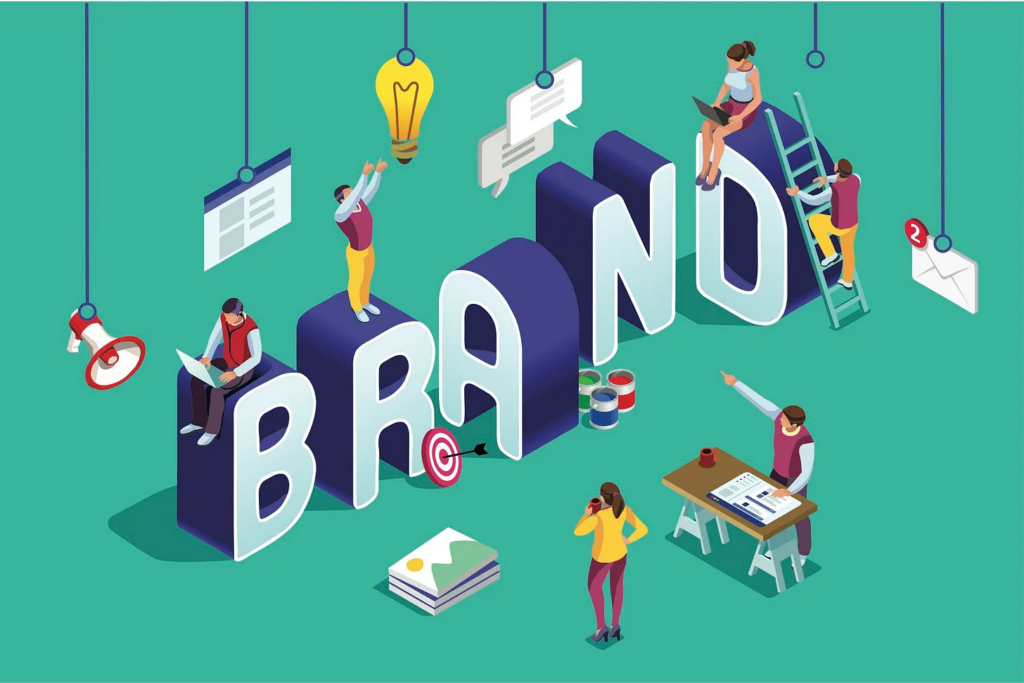
Why build a brand?
If you want a brand that speaks to your audience, you’re going to need to put the effort in to build it. Don’t rely on the brand to build itself. Put the groundwork in now, and the brand will do the work for you later. Let’s take a look at some of the benefits a brand gives you:
At the end of the day, the question is, how hard do you want to work? Let the brand do the work for you. Take an example: how often do you explain what you do or where you work to someone? It can take a while for them to get it. But when someone says, “I’m an Engineer for Google,” people don’t ask “Where?” or “What does Google do?”
How to build a brand
Now that we know why a brand is so critical to your company’s success, here are some tips for how to do it right:
At Averity, we strive to build a brand around hiring people, and that’s what sets us apart. Other recruiters may focus on delivering resumes, filling positions, or finding skills, but when it comes down to it, you’re not interacting with resumes and skills on a daily basis. Your coworkers are people. That’s one of the reasons why we built our Human Platform. Averity’s Human Platform makes it easy to find all the information you need about the candidates — that is, the people — that you’re looking for.
So give some thought to your brand. Know what you’re offering, identify the feelings you want your brand to evoke, and get that message out there. It’s worth it.

The success of a recruiting strategy might seem easy to measure — find the right talent that a company needs, and then just sit back and watch both hire and company succeed — but how you get there is not always so clear. Without the right plan of action, the hiring process can drag on forever, or, worse, you could end up hiring the wrong person for the job.
As a recruiter I’ve benefited from the wisdom and advice of experts in the field (and learned a few things the hard way). Here are ten helpful tips I’ve learned for successful recruiting, plus a few practices to avoid. These lessons apply whether you’re a professional recruiter or an internal hiring manager looking to fill a role. That said, if you are looking to hire someone for your own company, or especially for your own department, I encourage you to consider them carefully. After all, you’ll be working closely with the person you end up hiring.
At Averity, we know how complex the recruiting process can be for employers. It’s one thing to know what you’re looking for, and another to find it. Our Human Platform helps companies connect with the right employees. It’s an easy-to-use platform that gives accurate, accredited information about actual candidates on the market, beyond buzzwords and acronyms, giving you not just their backgrounds but what they actually want to do. Simply choose who you like, request an interview, and an Averity Talent Advocate will take care of the rest.
At the end of the day, no two job openings, and no two candidates, are exactly alike, so you’ll need to rely on your own judgment when making the final decision on who to hire. Keep these points in mind and it may help you avoid some of the most common hiring mistakes. Trust your instincts, but always be prepared. Happy hiring!
I am proud to announce that Averity has partnered with Feeding America to create a dollar-for-dollar fundraiser, matching donations from Averity clients, candidates, and friends up to $200 per person! Giving back is an important part of the Averity mission. In 2020, hunger took a heavy toll on Americans due to the impact of COVID-19 on unemployment, homelessness, and food insecurity. In fact, more than 50 million people may now face hunger due to the pandemic. That’s why now more than ever, we must come together to fight hunger and heal our communities.

Credit: Feeding America
Feeding America is the nation’s largest hunger relief organization, Through a network of 200 food banks and 60,000 food pantries and meal programs, Feeding America provides meals to more than 40 million people each year. When you support Feeding America, you are helping our nationwide network of food banks deliver programs at the front line of hunger. Programs like school-based food pantries, emergency disaster relief, and Kids’ Cafe. Just $1 can help provide at least 10 meals to kids, families and individuals facing hunger.
Click here to see our impact and make your donation. Want to get others involved? Share this link with your friends! Thank you so much for your support.
Sincerely,
Chris Allaire, CEO & Founder of Averity

The hiring process is more complex than it’s ever been. The bottom line is that you need someone who is qualified, interested and available, but finding this can feel like trying to find a needle in a haystack. If you know what you’re looking for and are willing to put in the preparatory work, you can avoid the most common mistakes and increase your chances of landing the right candidate.
When I founded Averity, I put in place the Averity Process, a five-point system to help companies find the right person for the job. From where to start to closing the deal, here are the tips you need to find the right person when it’s time to make your next hire.
Step One: Identify
Before you begin, you need to lay the groundwork. It’s as simple as this: you can’t find the right candidate if you don’t know what you’re looking for.
Step Two: Qualify
It pays to do a little homework. Confirm that the candidates you’ve found are qualified, actually interested, informed and available to start the job within a reasonable time.
Step Three: Interview Coordination
You won’t know if you’ve found the right person without interviewing them. Until you speak, you’re just reading a list of accomplishments on paper. You’re not hiring resumes, you’re hiring people.
Step Four: Transparency
You and the candidate have made it this far. Being open and honest is the best approach for both parties.
Step Five: Oversee Closure, Start, and On-Boarding
You’ve found the right person . . . now what? A little follow through will help transform that outstanding candidate into an outstanding employee.
No two candidates are alike, but with a little flexibility and preparation, you’ll find the one who is uniquely right for you.
Many of us have had the opportunity to hire and manage countless people during our tenure in personnel management. But the hard truth is that many of us can count on two hands how many true “quality hires” we’ve made. Some of us can name them off the top of our head.
A quality hire is an intangible asset. The underlying question is: “How do we know who a quality hire is until we start working with them?” What is the true value of “intellectual curiosity”? This is the true measuring stick of risk versus reward.

There is no real matrix in place for measuring this intangible trait. There are, however, common denominators in what we’ve seen and how we recognize these diamonds in the rough. The Averity leadership team reached out to over twenty executives in various industries and got their version of what a “quality hire” really means for them. Here are the findings, and they won’t surprise you. People hire people, not acronyms, buzzwords, or resumes.
Communication skills:
Attitude:
Personality:
Experience and skill set:
What they are NOT:
Soft skills are the most important dimension in a quality hire. The few people who have had most or all of these characteristics typically get things done, work well with others, make smart decisions, are willing and able to change and get better at whatever they do. At the end of it all, you won’t know the ultimate quality of the candidate until they’ve been hired, but people hire people; skills can be taught. You didn’t hire the resume, you hired the PERSON!
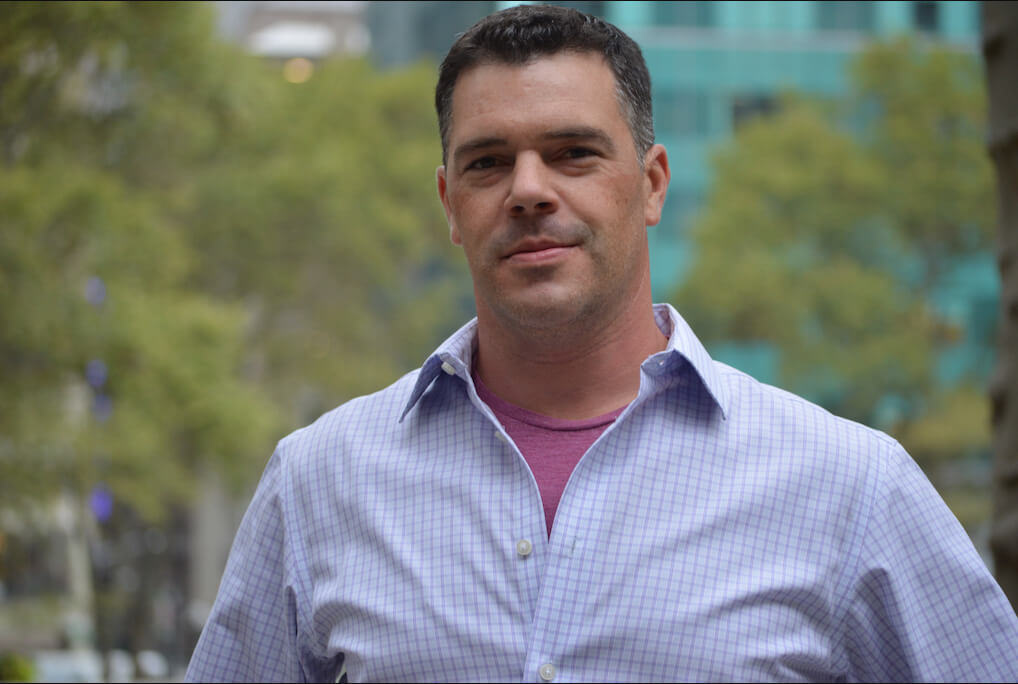
Hello Friends, Colleagues and Clients,
If you’re reading this, you know Averity.
If you’ve worked with us you know what sets us apart. It’s our dedication to the people we serve. After all, we believe that people don’t hire acronyms and buzzwords — we believe people hire people.
That’s why we’re always looking for new ways to better connect with you. Enter “The Download” newsletter.
I am proud to present you with this first edition of a newsletter that will become my place to catch up with you directly, right in your inbox.
Every few weeks, I will be sharing a fresh crop of must-know insights and information from around the industry. But more importantly, I’ll be including my unique, on-the-ground point of view.
I want you to feel like you’re there in the boardroom with me, getting advice and intel from a trusted friend.
My promise is to stuff this newsletter chock full of the things you can’t get anywhere else: the straight download from a tech recruiting owner/operator at the top of the game.
Gather round, I’ve got a lot to share.
Times are changing. The nature of how we work looks nothing like it did even just twelve months ago. As a result, hiring methods that have been in place for decades are changing too. You could even say hiring is undergoing a revolution. In my years as a recruiter, I’ve seen these changes coming. In fact, it’s the reason I founded Averity: to help companies hire the right people for the future.

Some of these changes come with the territory of recent shifts to remote working, but others are more fundamental. They reflect the need for both hard and soft skills in top-notch candidates. To keep up, we are going to see changes in who we hire, how we hire, and what we hire for.
Who: Increases in technical specialization and the growth of remote work means the pool for talent is no longer geographically limited, but more importantly, the candidates who stand out from this pack are the ones who can demonstrate collaboration and communication skills in addition to hard skills and certifications.
Here are the skills of the future to look for in the hiring process:
• Time management skills: Can this candidate meet deadlines while working independently, without a manager there to look over their shoulder? And are they able to do it while maintaining a healthy work-life balance?
• Teamwork and collaborative skills: Your organization is a team. The most talented candidate is not going to succeed if they have a go-it-alone attitude or have trouble sharing credit or taking direction from their peers. During the recruiting process I like to ask candidates to share moments when they’ve accomplished something as a team that they wouldn’t have been able to do alone.
• Open communication skills: Teamwork doesn’t go very far if you don’t know what your teammates are up to. That’s why communication is critical. Even as software like Zoom and Slack have seemingly made communication easier, both in the office and for remote workers, they also create new opportunities for miscommunication.
• Initiative: Is the candidate a “self-starter”? Can they get a project up off the ground? Have they ever turned a passion or dream project into reality? Look for a candidate who doesn’t need a push to get things done, but knows how to push themselves.
• Positive attitude: You want a team member who is supportive and respectful of others. This is more than just having a smiling face. It also means someone who can accurately diagnose and address problems that arise without casting blame or pointing fingers. A supportive, respectful candidate helps others do their jobs better.
Of course, these skills have been important since the beginning of time. But because they can be hard to pin down during the recruiting process, they don’t always get the emphasis they require. In the future, identifying candidates who show these skills will make the difference between a “minimum viable candidate” and an outstanding one.
How: Even if you know who you’re looking for, you still have to find them. Finding the right candidate is getting more complex, and more companies are discovering the value of talent experts and technology. A good recruiter is not just focused on the transaction of hiring; they are dedicated to finding the right person for the job, the quality hire that will make a difference for your business.
Since founding Averity, I have been focused on helping companies do just that. It’s why we have in place a 5 point process to help secure not just the first qualified candidate, but the best candidate for the job—one who’s not just a good fit for your company, but who wants and is thrilled to accept the position:
Step 1: Identify
Finding candidates is the necessary first step. We build specific marketing campaigns for each organization, then with the help of proprietary technology reach out through multiple channels to find potential fits.
Step 2: Qualify
We screen potential candidates not only for their skills and expertise, but to gauge their motivations and level of interest in the new position. Why are they interested in leaving their current position, and what are they looking for?
Step 3: Interview Coordination
Preparation is the key to a successful interview process, and that works both ways. We take the time to prepare both the candidate and the organization, so both sides can learn the most about each other and take away what they need to make a decision.
Step 4: Transparency
Open communication is an asset even before the new hire starts. Today, it’s critical to gather honest feedback from both company and candidate, to understand the interest on both sides and to keep everyone up to date. It’s a better approach than keeping either party in the dark, or worse, rushing to close the (wrong) deal.
Step 5: Oversee Closure, Start, and On-Boarding
Having open and transparent communication raises the chances that an offer will be accepted. (That’s why Averity’s acceptance rate is double the industry average.) And we stay in contact through onboarding and after to ensure a smooth and successful transition.
What: We can’t know what the future will bring, or what challenges and demands it will present to your company. That’s why it’s so critical to hire with more than just narrow qualifications, but the skills and attitude to take on the unexpected as part of a team. As I like to say, no matter what a resume says, you’re working with people. You aren’t hiring buzzwords, you’re hiring people.

Create an Account or Sign In